
How to Buy a Lakefront Home in Sussex County, NJ: Everything You Need to Know
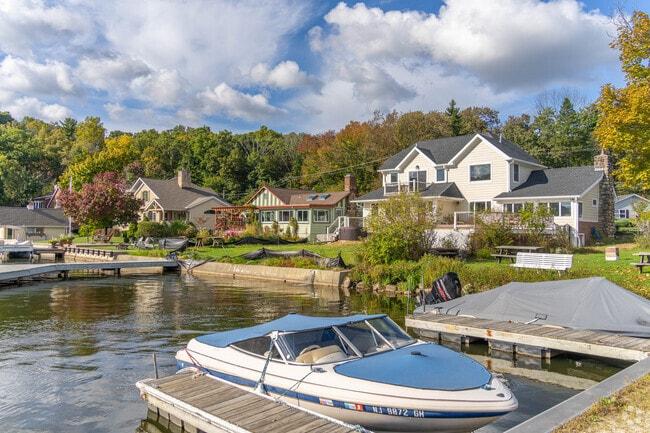
How to Buy a Lakefront Home in Sussex County, NJ: Everything You Need to Know
Imagine starting your morning with a view of the water, taking a kayak out before breakfast, or enjoying a quiet evening by the lake. For many buyers, owning a lakefront home in Sussex County, New Jersey, offers a lifestyle that combines outdoor recreation, natural beauty, and a sense of community.
However, buying a lakefront property involves more than finding a house with a beautiful view. You need to understand your lake access rights, community regulations, property maintenance requirements, and the costs that come with waterfront living. These details can vary significantly from one lake community to another.
As a local real estate professional, Chris Burns helps buyers understand the Northern New Jersey property market and find homes that fit their needs. If you're considering a lakefront property, this guide explains what to look for before making an offer.
Understanding Lake Rights in Sussex County
One of the first things to understand when buying a lake home in Sussex County is that not every property near a lake comes with the same access or privileges.
A home may sit directly on the shoreline, have access to a shared beach, or belong to a private lake community with specific membership requirements. The property's location alone does not establish what you are allowed to do on the water.
Here are the main distinctions to consider.
Lakefront Properties
A true lakefront property directly borders a lake and may provide private shoreline access. Depending on the property and applicable regulations, it may also have an existing dock or the potential for one.
Before purchasing, verify the legal property boundaries, ownership of the shoreline, dock permits, and any restrictions on waterfront improvements. Direct lake frontage does not automatically mean you can build a new dock or use any type of watercraft.
Lake-Access Properties
Lake-access homes offer access to a lake through a shared beach, community facility, or designated access point rather than a private shoreline.
These properties can be appealing to buyers who want to swim, fish, kayak, or enjoy community lake activities without paying the premium that some waterfront homes command.
Always confirm whether access is included with the property, whether association membership is required, and which facilities you are permitted to use.
Homes in Private Lake Communities
Some properties belong to private communities organized around one or more lakes. These neighborhoods may offer beaches, recreational facilities, community events, and shared outdoor spaces.
However, ownership within a lake community can come with mandatory dues, rules about boating and property improvements, and restrictions on rentals.
Highland Lakes in Vernon Township is an important example. It has five lakes, seven beaches, a clubhouse, and community recreational facilities. Membership obligations and community rules are important parts of buying a property there.
Homes Near a Lake Without Lake Rights
A property can be close to a lake without having private waterfront access or permission to use community facilities.
Never assume that a lake view, a nearby beach, or a lake-related address gives you lake privileges. Ask the seller, review the deed and applicable community documents, and confirm the property's specific rights before making an offer.
Major Lake Communities in Sussex County
Sussex County offers several lake communities, each with its own setting, recreational opportunities, and ownership considerations. The right choice depends on whether you prefer a private residential community, a quieter natural setting, or a lake with a broader range of boating activities.
Lake Mohawk in Sparta Township
Lake Mohawk is one of the best-known private lake communities in Sussex County. Its setting includes a lake, beaches, docks, walking areas, and a distinctive clubhouse and boardwalk.
The community offers a mix of homes, from smaller cottages to larger year-round residences. Buyers may be attracted to its recreational facilities and established neighborhood atmosphere.
However, Lake Mohawk has its own membership structure, community rules, and associated costs. Before buying, review the applicable fees, boating regulations, property restrictions, and any requirements for dock use or improvements.
Cranberry Lake in Byram Township
Cranberry Lake offers another option for buyers interested in lake living in Sussex County. The surrounding area includes residential properties and opportunities for outdoor recreation.
Property features and lake privileges can differ between homes, so buyers should establish whether a particular property has direct waterfront access, shared lake access, or other restrictions.
Ask about the applicable lake association, access rights, maintenance responsibilities, and any recurring fees before moving forward.
Lake Hopatcong
Lake Hopatcong is New Jersey's largest lake and forms part of the border between Sussex and Morris counties. It offers a broader range of recreational opportunities, including boating, swimming, and fishing.
The area includes different types of homes and waterfront settings, which can appeal to buyers with different budgets and lifestyles.
Because Lake Hopatcong spans multiple municipalities and has a different ownership and regulatory context from private lake communities, buyers should verify shoreline ownership, dock permits, local boating rules, and any applicable association requirements for the specific property.
The New Jersey Department of Environmental Protection provides useful information about environmental regulations and water-related matters in the state.
Highland Lakes in Vernon Township
Highland Lakes deserves special attention because it is not simply a neighborhood with a lake nearby. It is an established private lake community governed by the Highland Lakes Country Club and Community Association (HLCC).
The community includes approximately 1,975 private homes, five lakes, seven beaches, a clubhouse, and recreational facilities. Its setting in the Vernon area offers residents opportunities to enjoy swimming, fishing, sailing, community activities, and outdoor recreation throughout the year.
Highland Lakes has specific boating regulations. According to the association, permitted boats include kayaks, canoes, rowboats, paddle boats, pontoon boats, and small pleasure boats. Electric motors are limited to a maximum of 10 horsepower and a speed of 10 miles per hour. The lakes are also stocked annually for fishing.
Highland Lakes offers a four-season outdoor lifestyle. During warmer months, residents can enjoy swimming, sailing, fishing, tennis, and activities organized through the community. The surrounding Vernon area also provides access to outdoor destinations, including Wawayanda State Park and Mountain Creek Resort.
.What to Inspect When Buying a Lakefront Property
A lakefront home requires more than a standard home inspection. Waterfront structures, drainage, water supply, and environmental conditions can affect both the property's safety and its long-term ownership costs.
1. Dock and Shoreline Condition
If the property includes a dock, bulkhead, retaining wall, or other waterfront structure, have it evaluated by a qualified professional with relevant experience.
Look for signs of deterioration, unstable supports, erosion, water damage, and previous repairs. Ask whether the existing structure has the necessary permits and whether any proposed improvements would be allowed.
Do not assume that a dock can be rebuilt or expanded simply because one already exists.
2. Septic System Condition and Compliance
Many homes in rural and lake communities rely on private septic systems. A malfunctioning system can lead to expensive repairs and potential environmental concerns.
Review available septic inspection reports, pumping records, repair history, and local compliance requirements. Ask whether the system meets the requirements that apply to the property and whether any upgrades may be needed.
The New Jersey Department of Environmental Protection is a useful starting point for researching state environmental requirements. Buyers should also consult the appropriate local health department and qualified septic professionals for property-specific guidance.
3. Private Well Water Quality
If a property uses a private well, arrange appropriate water testing before closing.
Testing should follow the recommendations of the relevant local authorities and qualified professionals. Ask about previous test results, well maintenance, and any known water quality concerns.
Do not assume that water is safe to drink simply because the home has been occupied for many years.
4. Flood Risk and Drainage
Waterfront homes and properties near lakes may have different flood and drainage risks depending on their elevation, location, and surrounding terrain.
Check the property's flood zone through the FEMA Flood Map Service Center. A flood zone designation can affect insurance requirements, financing, and future ownership costs.
Also inspect grading, drainage paths, basement moisture, foundation condition, and any history of flooding or water intrusion.
Even when flood insurance is not required by a lender, buyers should consider whether coverage makes sense for the property's risk profile.
5. Roof, Foundation, Heating, and Insulation
Some lake homes were originally designed for seasonal use and may have been converted for year-round occupancy.
Check the roof, foundation, windows, insulation, heating system, plumbing, and electrical systems. If the property has been vacant during winter months, ask about winterization and any history of frozen pipes or water damage.
A qualified inspector can help identify repairs that may affect the home's comfort, safety, or insurability.
Lake Association Rules, Fees, and Ownership Responsibilities
Lake associations can have a significant effect on the cost and experience of owning a home in a private lake community.
Before purchasing, establish which association governs the property and whether membership is mandatory. Review the current rules, fee schedule, and documents that explain your rights and responsibilities.
Important questions include:
- What are the current annual dues, transfer fees, and special assessments?
- Which lakes, beaches, docks, and recreational facilities can the owner use?
- Are there restrictions on motorized boats, swimming, fishing, or dock installation?
- Are short-term and long-term rentals permitted?
- What exterior changes require approval?
- Who maintains shared roads, beaches, dams, and other common facilities?
- Are there outstanding assessments, planned major repairs, or other financial obligations?
For Highland Lakes, the association publishes its buyer information, annual dues, initiation fees, and community requirements online. Buyers should review the latest information directly rather than relying on older listings or third-party descriptions.
Ask for the relevant financial statements, meeting minutes, governing documents, and information about planned assessments when available. Your real estate agent and attorney can help you determine which documents need to be reviewed before closing.
Financing a Lake Home in Sussex County
Financing a lakefront home generally follows the same process as financing other residential properties, but certain property characteristics can make the transaction more complicated.
Lenders typically require an appraisal to establish the property's value. If there are few comparable waterfront sales in the area, determining an appropriate value may require additional research.
Seasonal homes, properties with unusual access arrangements, and homes that need significant repairs may also require closer review by the lender.
Before making an offer, discuss the property with your mortgage lender and confirm that the home meets the requirements of your intended loan program.
If the property is in a flood zone, ask your lender and insurance provider whether flood insurance is required and obtain a quote early. You should also budget for property taxes, homeowners insurance, association dues, utility costs, and potential waterfront maintenance.
Understanding the complete cost of ownership helps you choose a property that fits your financial plans rather than focusing on the purchase price alone.
The Practical Realities of Lakefront Living
Living near the water can be rewarding, but it also comes with responsibilities that buyers should understand.
Waterfront properties may require regular dock maintenance, shoreline care, drainage management, and seasonal preparation. Homes with private wells and septic systems have additional maintenance requirements. Properties in private lake communities may also be subject to rules about noise, guests, boats, exterior improvements, and rentals.
Seasonal conditions matter, too. A property that looks ideal during summer may feel very different during winter, particularly if it is exposed to wind, has steep access roads, or was designed for occasional use.
If possible, visit the property at different times of the day and ask about winter road maintenance, utility reliability, and year-round access.
Think carefully about how you plan to use the home. A property intended for full-time living may have different requirements from a weekend retreat or a future retirement home.
How to Choose the Right Lake Home for Your Lifestyle
Before you begin making offers, decide which features matter most to you.
If private shoreline access is essential, focus on properties with verified waterfront rights and confirm whether existing docks and other structures are permitted.
If you prefer shared recreational facilities, a private lake community such as Highland Lakes may be worth considering. Make sure you understand its dues, boating rules, and membership requirements before deciding.
If you want more extensive boating opportunities, compare the rules and characteristics of different lakes rather than assuming that all communities permit the same activities.
You should also consider your budget, commute, preferred home size, maintenance expectations, and plans for year-round occupancy.
Working with a real estate professional who understands the Sussex County market can help you compare these factors and identify properties that align with your priorities.
Frequently Asked Questions
What is the difference between a lakefront and lake-access property in Sussex County?
A lakefront property directly borders a lake, while a lake-access property typically provides access through a shared beach or designated community facility. The exact rights depend on the property documents and applicable rules, so verify access before purchasing.
Do I need flood insurance for a lakefront home in New Jersey?
Flood insurance may be required when a property is in a designated high-risk flood zone and the mortgage is subject to applicable federal requirements. Other circumstances can also affect coverage requirements. Check the property's flood zone and discuss insurance options with your lender and insurance provider.
How much are lake association fees in Sussex County?
Fees vary by community and can include annual dues, initiation or transfer fees, and special assessments. Check the association’s current fee schedule and governing documents before making an offer. For example, Highland Lakes charges a $2,000 initiation fee for new owners, plus annual dues on every home and lot.
What should I inspect before buying a lakefront home in New Jersey?
In addition to a standard home inspection, consider the dock and shoreline, septic system, private well, flood risk, drainage, foundation, and heating and insulation systems. Use qualified professionals for specialized inspections.
Is Highland Lakes a private lake community?
Yes. Highland Lakes is a private community governed by the Highland Lakes Country Club and Community Association. Property owners are subject to membership obligations, dues, and community rules. Review the association's current buyer information before purchasing.
Can I use a motorboat on Highland Lakes?
Only electric motors are permitted, capped at 10 horsepower and 10 mph. Motors on the lakes are electric only. Gas-powered powerboats and jet skis are not part of the Highland Lakes lifestyle.
Are all Highland Lakes homes suitable for year-round living?
No. Some homes were originally built for seasonal use, while others are suitable for year-round occupancy. Check insulation, heating, plumbing, road access, and the overall condition of the home before making a decision.
Conclusion
Buying a lakefront home in Sussex County, NJ, can be an excellent way to enjoy the region's natural beauty and outdoor lifestyle. However, the best purchase is one that combines the setting you want with clear property rights, manageable maintenance requirements, and a realistic understanding of the total cost of ownership.
From checking flood risk and septic systems to reviewing lake association rules, taking the time to investigate the details can help you avoid expensive surprises.
If you're ready to begin your search, visit Chris Burns' website to learn more about local real estate services and available properties. With the right preparation and guidance, you can make a more confident decision about your next home in Sussex County.
Categories
Recent Posts

GET MORE INFORMATION